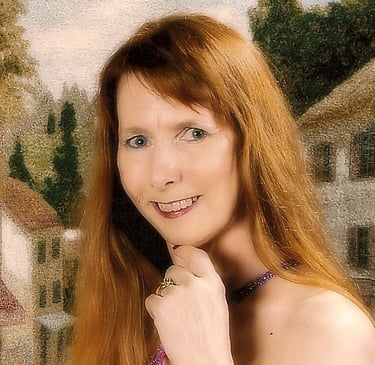
Dusty Rainbolt, Author
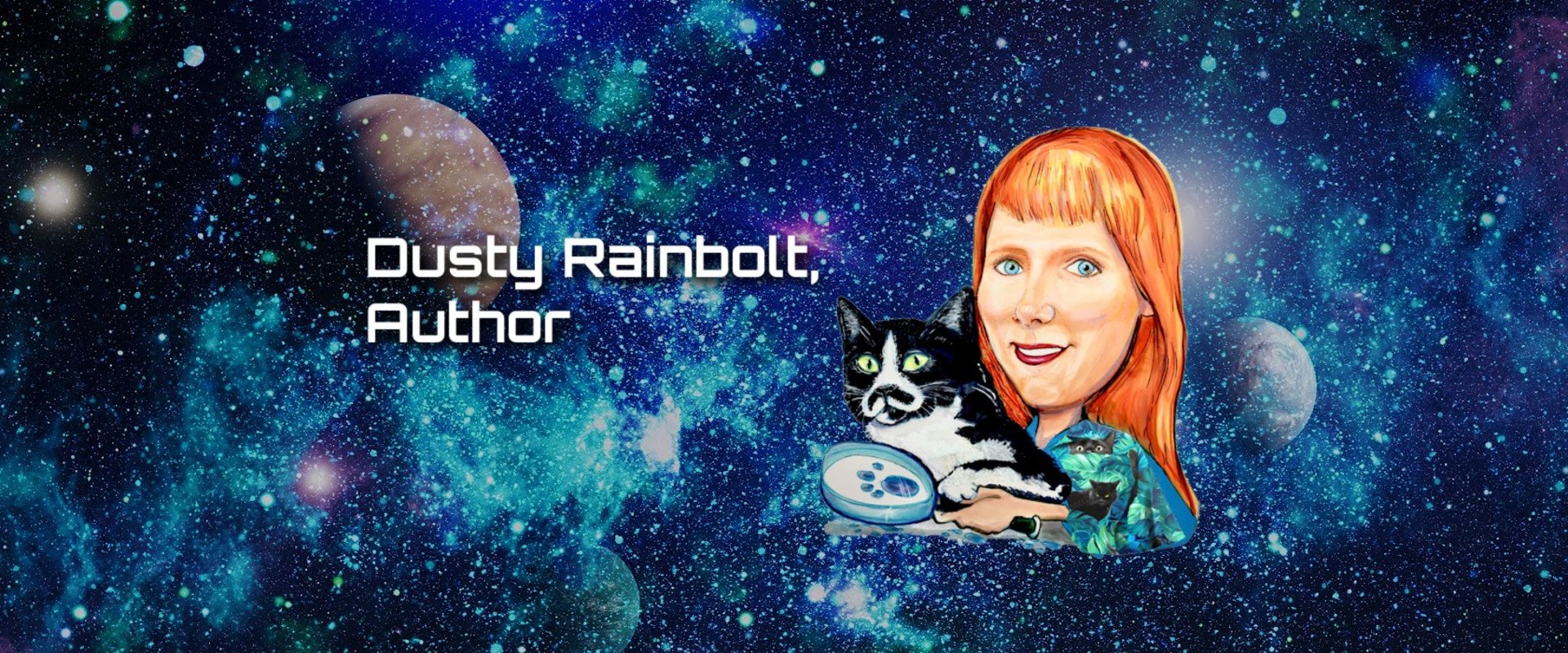
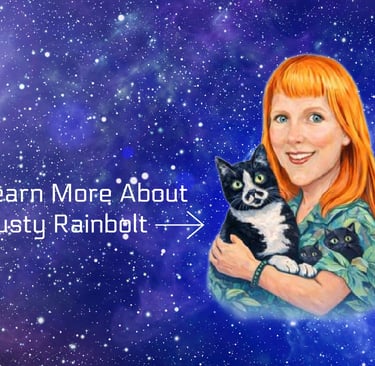
Click for more information about author Dusty Rainbolt
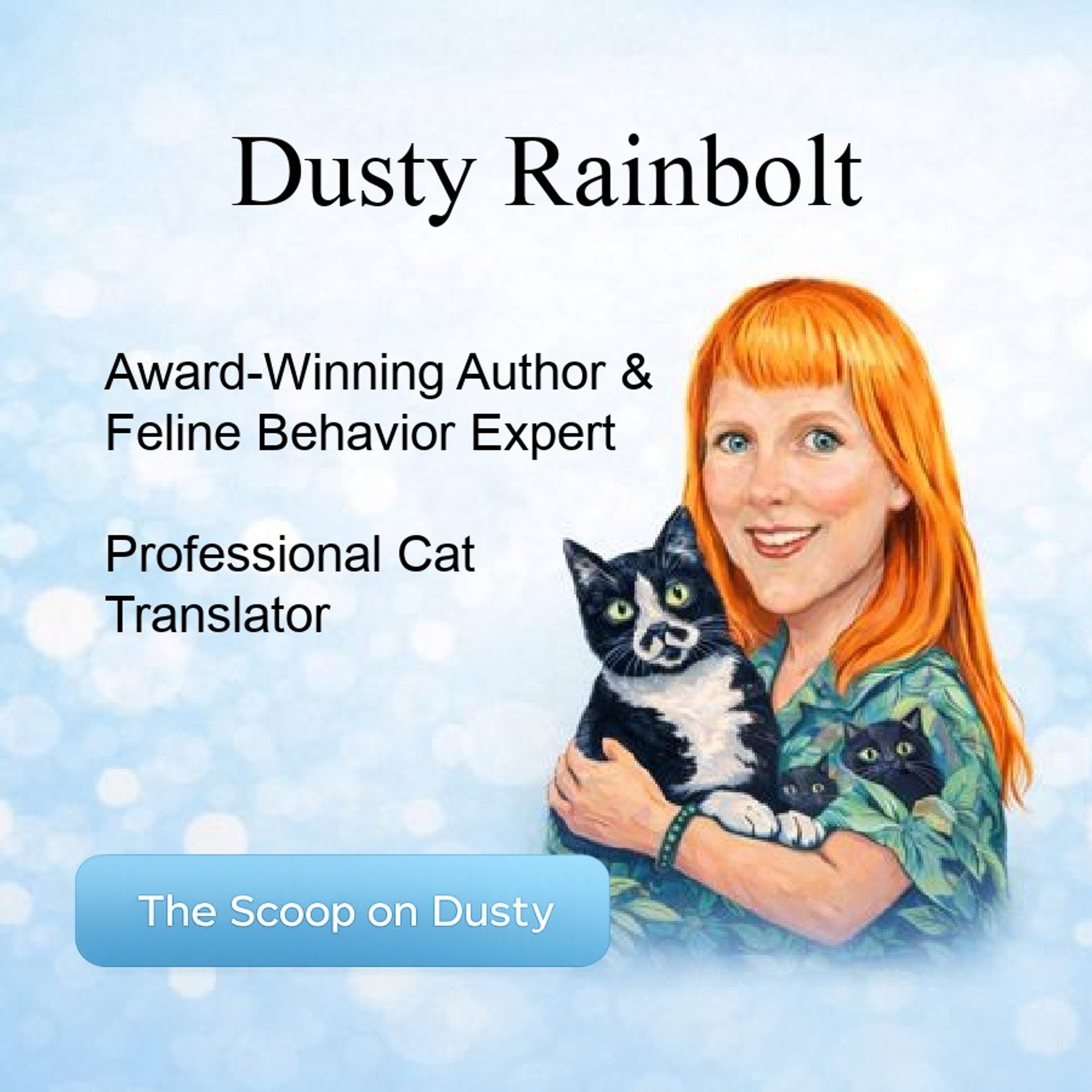
Award-Winning Feline Behavior Expert & Professional Cat Translator
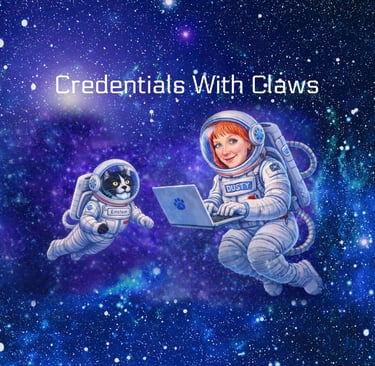
Cats, the Universe, and Everything is my blog covering the latest news and cutting-edge developments in feline research—along with the occasional trip down the rabbit hole.
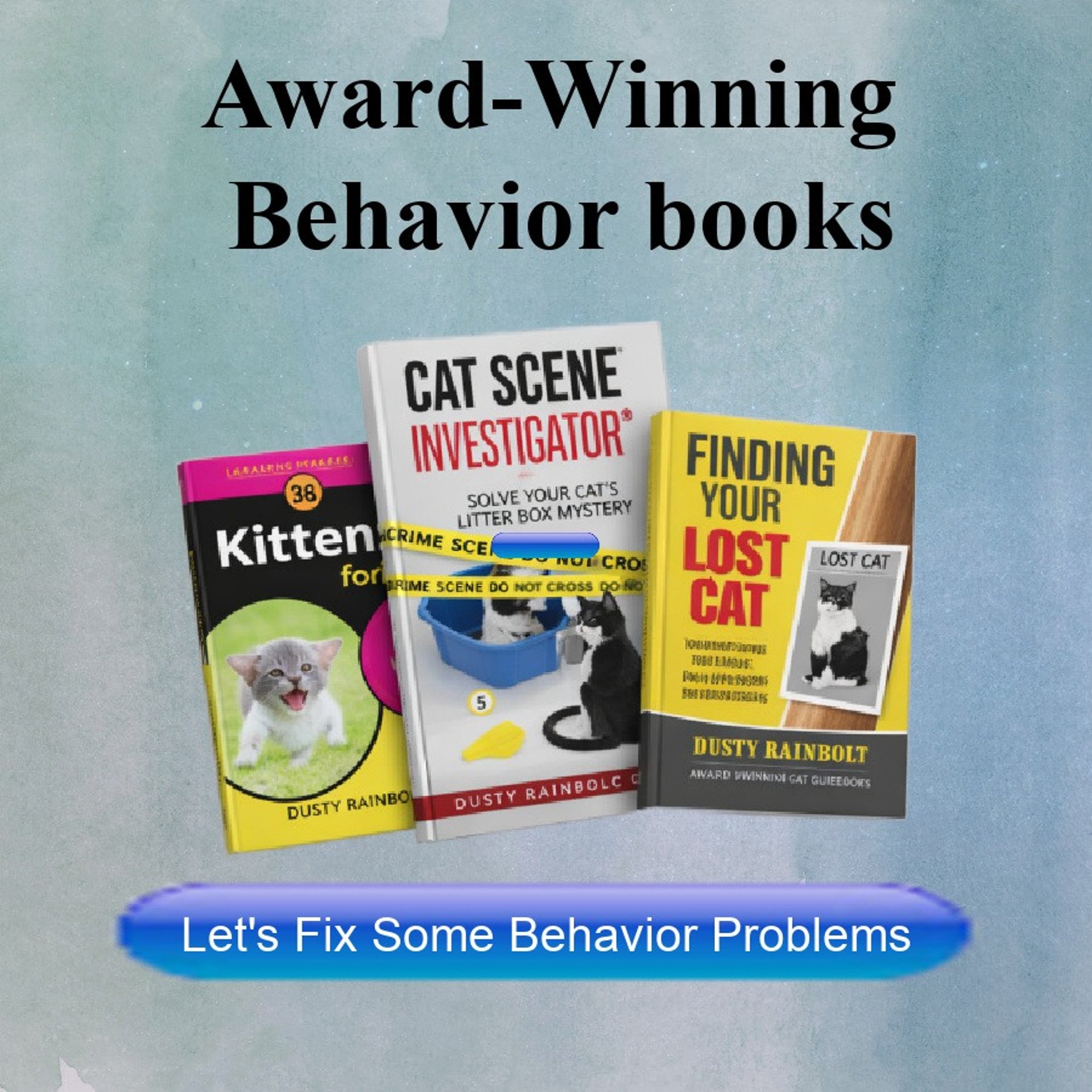
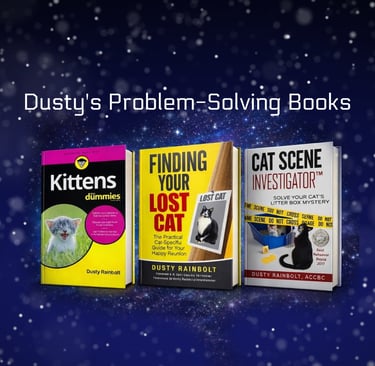
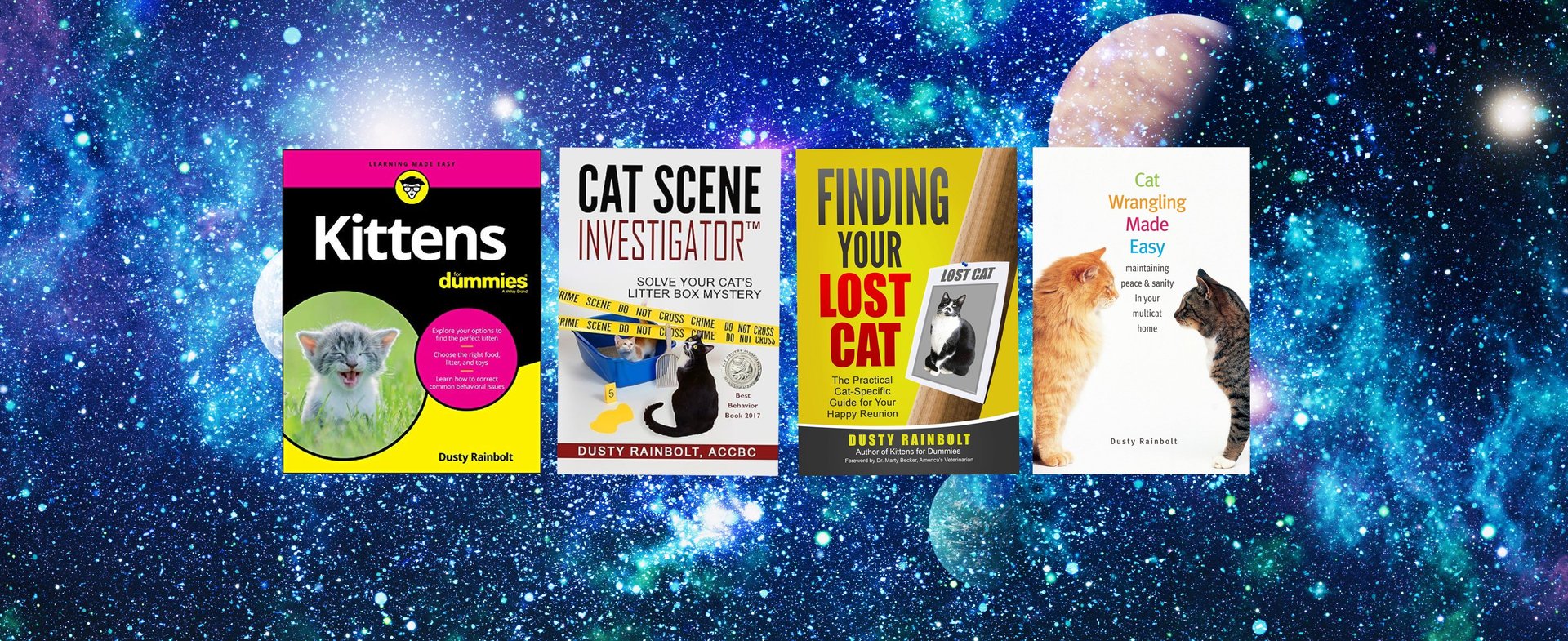
Check out these essential, award-winning, science-based resources that decode feline health and behavior, blending veterinary insight with humor to solve real-world cat challenges.
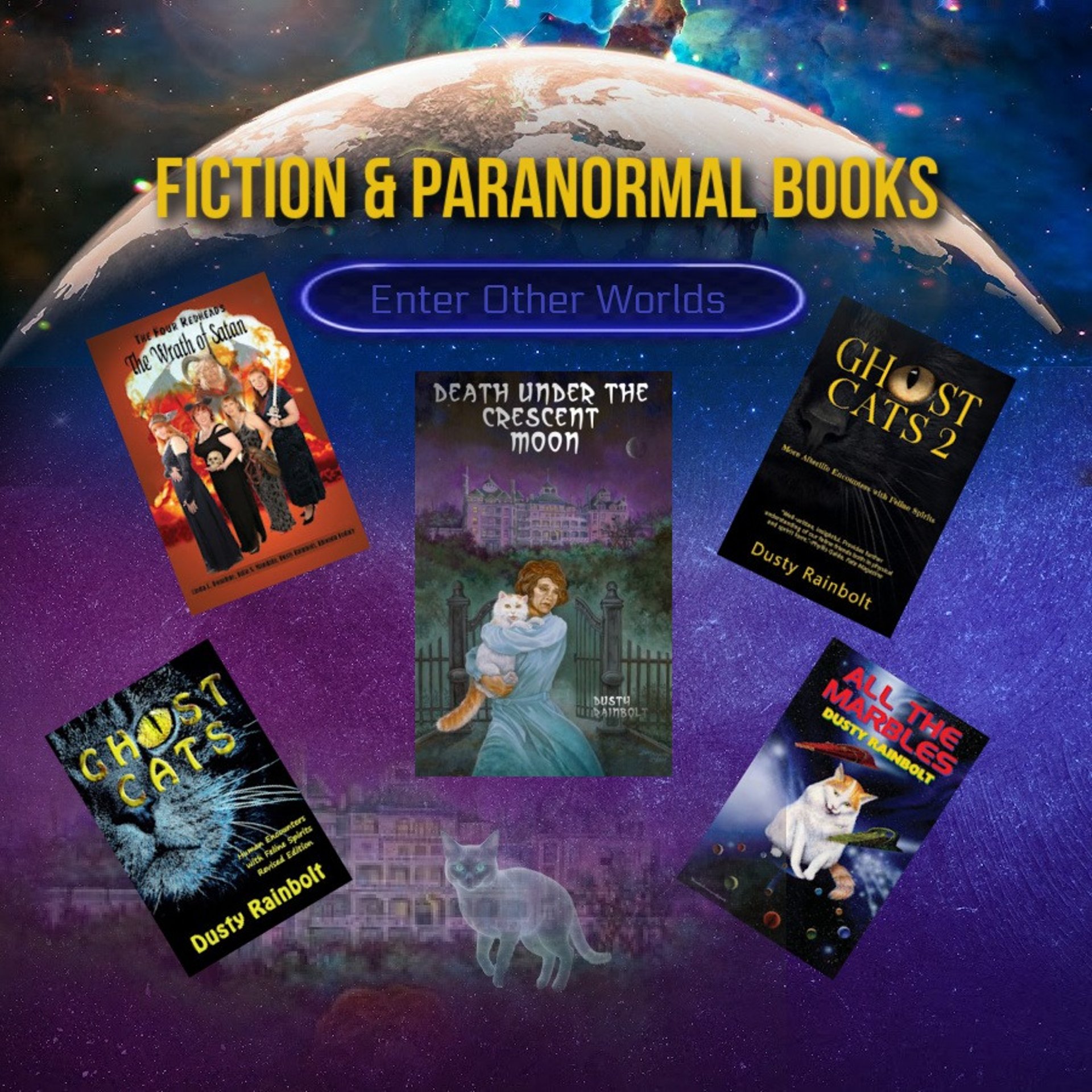
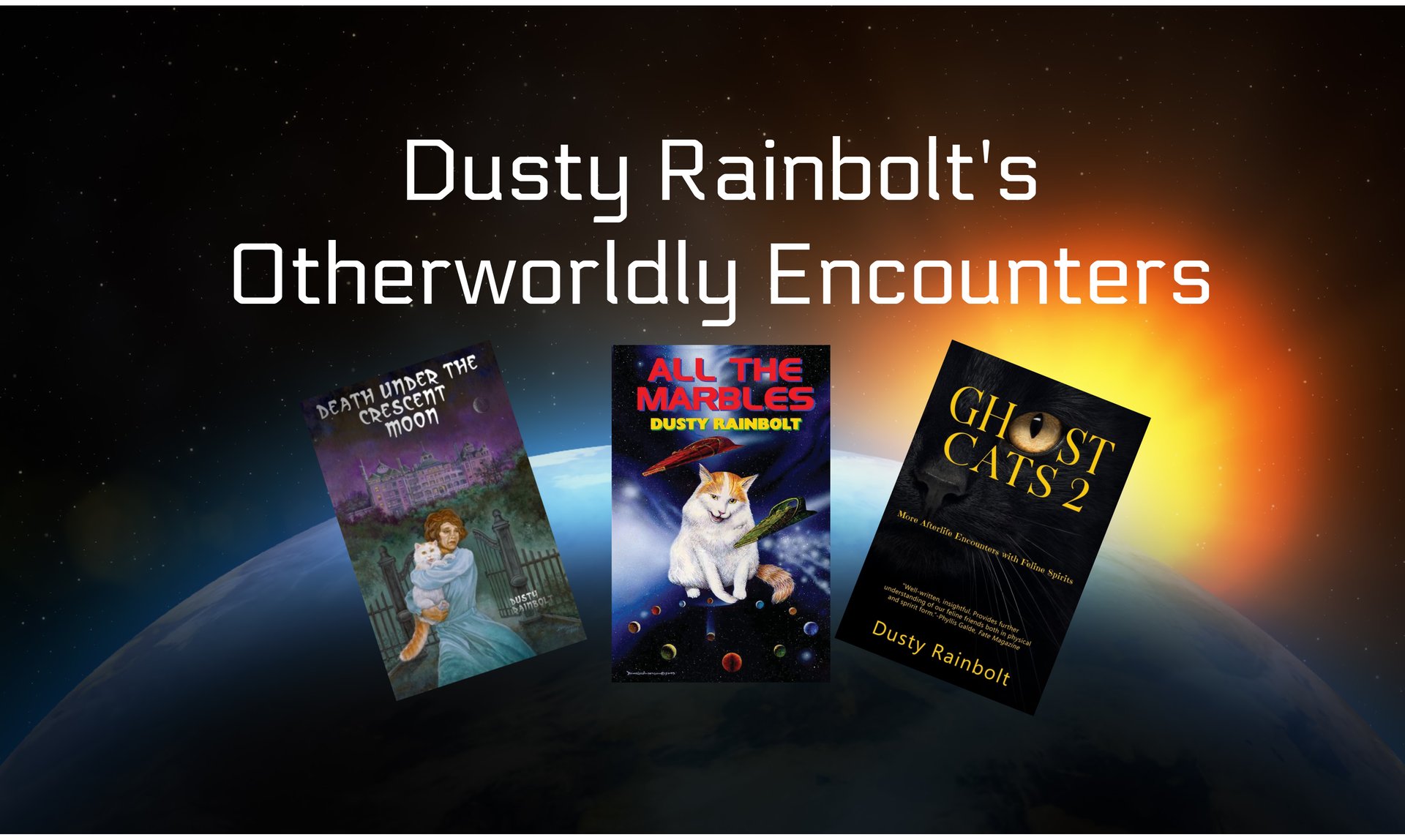
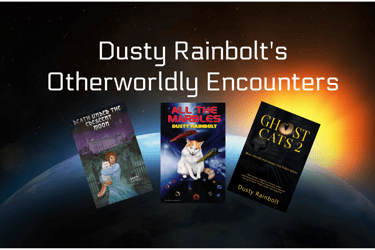
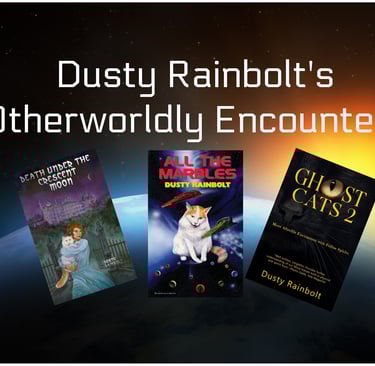
Dive into Dusty Rainbolt’s science fiction, fantasy, and paranormal tales—cosmic adventures and otherworldly encounters told with humor, heart, and wit...
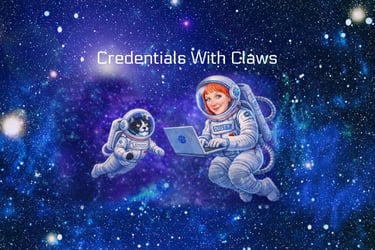
Credentials with Claws highlights Dusty Rainbolt’s professional training, experience, and science-based approach to feline health and behavior.
Welcome to Dusty's Feline Frontier™
This is where I share what I’m learning, questioning, and occasionally rethinking—in real time.
Cats, the Universe, and Everything™ is where my website comes alive: a place for fresh thinking, reports on current research, and the occasional tangent that leads somewhere unexpected.
What you’ll find here:
Timely cat news and emerging feline health and behavior research—translated so no PhD is required
Thoughtful explorations of how cats see the world—and how we humans routinely get it wrong
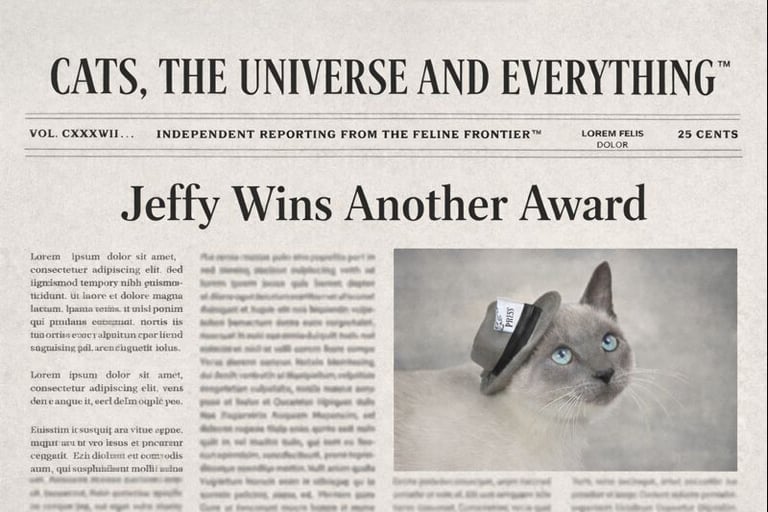
Jeffy the Journalist, reporting from the feline front lines
Plus the occasional detour into the universe, writing, science, or other questions worth exploring
Dusty's Expertise
Past President of the Cat Writers’ Association and recipient of numerous judged industry awards for feline health and behavior education, Dusty Rainbolt translates veterinary and behavioral science into practical guidance for real-world cat guardians and professionals.
Her work has been recognized with multiple Friskies Writer of the Year honors and the Dr. Jim Richards Cornell Feline Health Center Awards for Cutting-Edge Medicine—distinctions awarded for excellence in feline health writing rather than popularity or opinion.
She is a feline behavior consultant and Fear Free Certified Professional, receiving training from many of the same veterinary and behavior conferences your vet attends.
Dusty’s expertise is grounded not only in evidence-based study, but in decades of hands-on rescue work with more than 4,500 cats and kittens, many critically ill, injured, or behaviorally at risk. That scale of experience—across every life stage and outcome—gives her rare insight into patterns of feline behavior, medical complexity, and the realities of cases where ideal solutions aren’t possible and thoughtful compromise matters.
Alongside her nonfiction books, Dusty explores science fiction, fantasy, and the paranormal—often humorous, occasionally unsettling, and ultimately poignant.
Get the Inside Scoop
Nobody likes spam. You’ll get at most one email a month—assuming I can keep my clowder healthy long enough to write it. I’ll never sell, trade, or share your contact info with anyone… not even Nigerian princes or companies promising to supersize anything from the neck down.
Subscribe for your monthly dose of cat news, weird science, and Dusty updates. As a thank-you, you’ll get Dusty’s guide: The Five Most Misunderstood Cat Behaviors.

Dusty's Books
Dusty Rainbolt’s library of work is as diverse as the cats who share her home. All written in her trademark blend of humor, heart, and insight, her books entertain, educate, and delight. Whether she’s unraveling the mysteries of cat behavior, crafting cosmic adventures, or sharing real ghost cat encounters, one constant remains: a humorous style that makes learning and reading a joy.
Feline Health & Behavior
Essential, award-winning, science-based resources that decode feline health and behavior, blending veterinary insight with humor to solve everyday challenges.
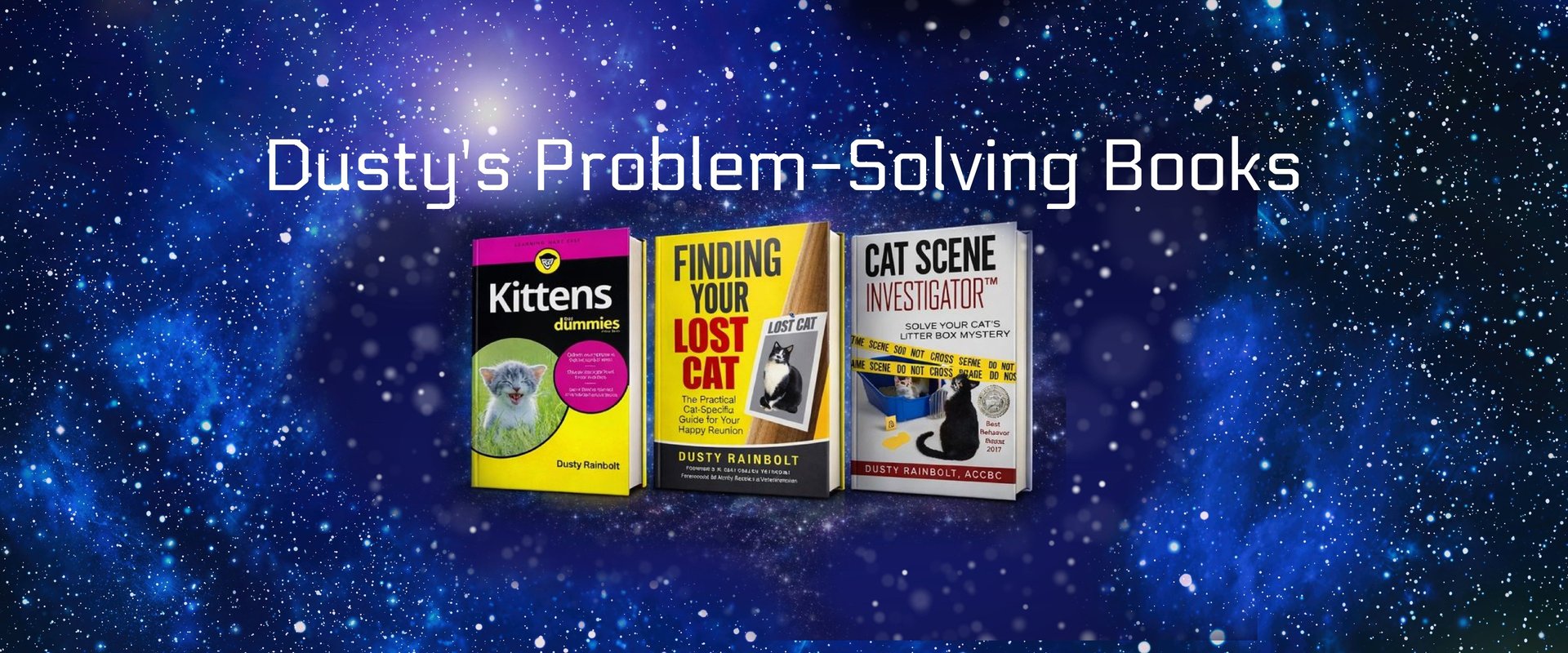
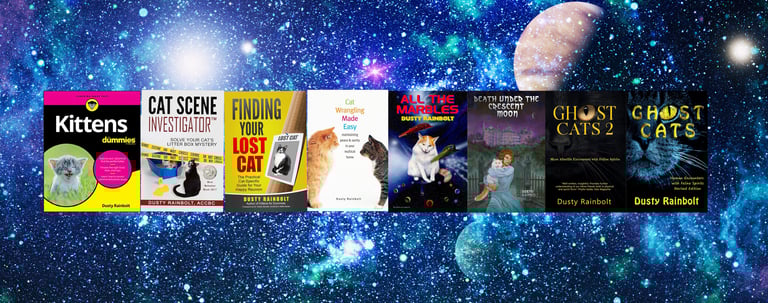
Cat Scene Investigator: Solve Your Cat's Litter Box Mystery
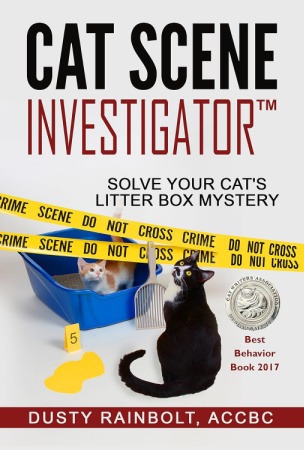
The ultimate science-based guide, written with humor and clarity, to help you solve your cat’s litter box problems for good.
From science-based search strategies to lost-cat behavior, this easy-to-read book gives you the tools for a happy reunion.
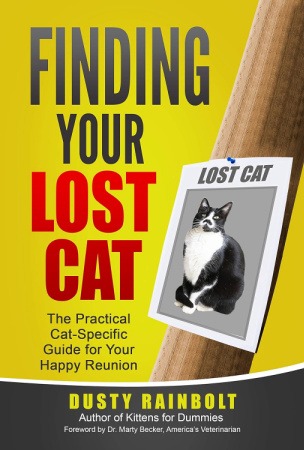
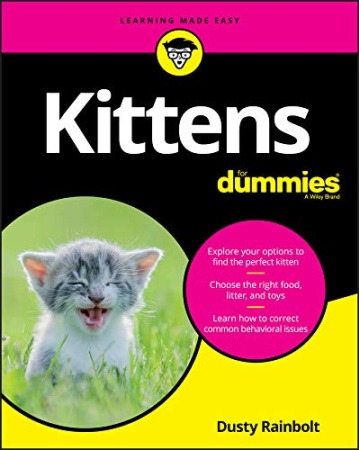
Everything you need to know — from raising kittens to rescuing those in trouble — delivered with a mix of humor and expertise.
Kittens for Dummies
Finding Your Lost Cat: The Practical Cat-Specific Guide to Your Happy Reunion
Because lost cats don’t leave a forwarding address.
Because inappropriate elimination is really inappropriate communication.
Because every kitten deserves a great start.
Cat Scene Investigator Awards & Recognition
2017 Cat Writers’ Association: Muse Medallion (Behavior & Training Book) • Muse Medallion (Series of Illustrations) • Dr. Jim Richards Veterinary Issues Award • Fear Free Cat Enrichment Award • Hartz Glamour-Puss Award
Kittens for Dummies Awards
2003 Iams Responsible Cat Owners Awards • CWA Certificate of Excellence
Finding Your Lost Cat Awards
CWA Certificate of Excellence (2019)
Other Worldly Encounters
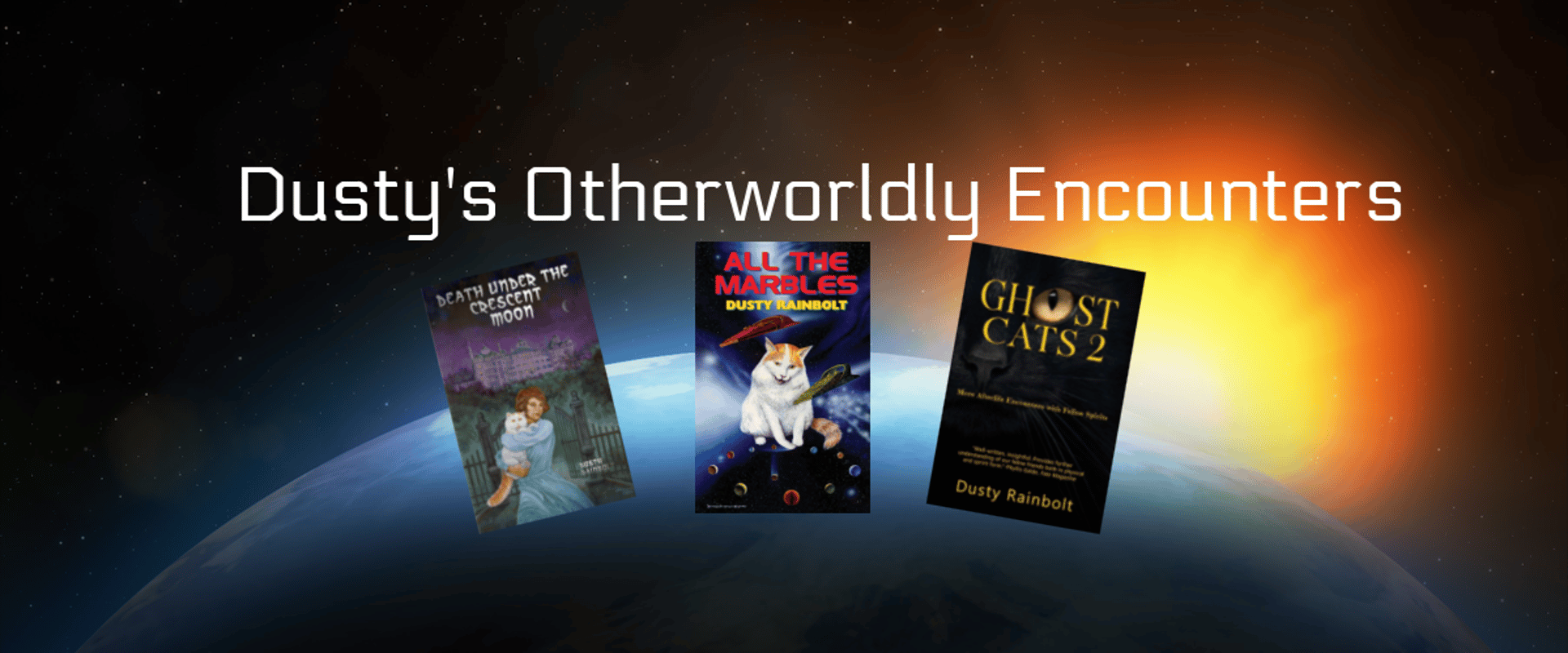
Step into Dusty Rainbolt’s worlds of science fiction, fantasy, and horror—where humor, heart, and imagination collide. From cosmic adventures to paranormal encounters, these books explore the strange, the wondrous, and the unexpected with touches of Dusty's trademark wit.
Ghost Cats: Human Encounters with Feline Spirits
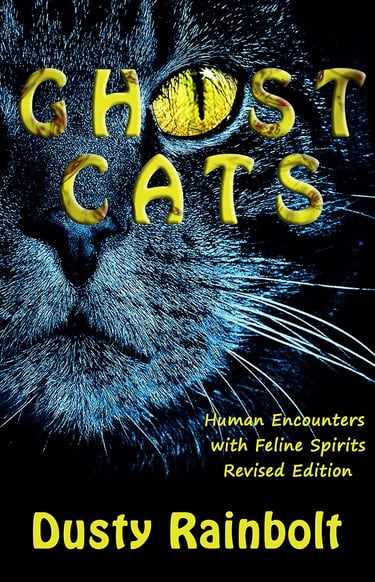
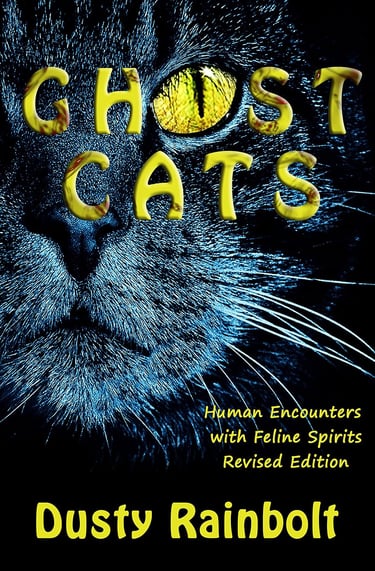
From mysterious pawprints to comforting visitations, this collection of true ghost cat encounters will make you laugh, cry, and believe.
Some cats won’t let a little thing like death keep them from their humans.
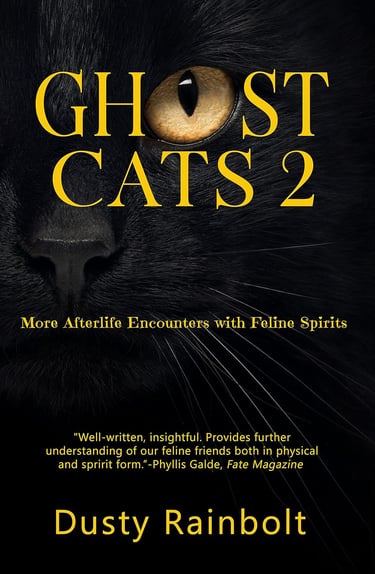
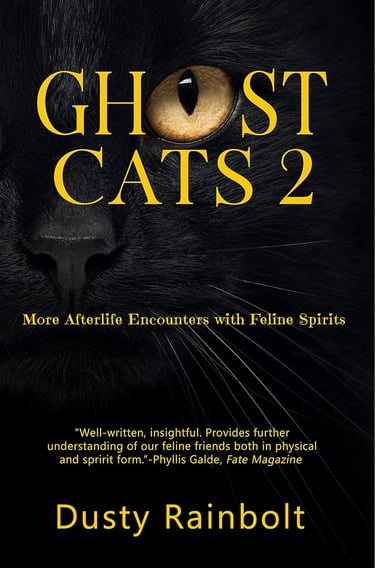
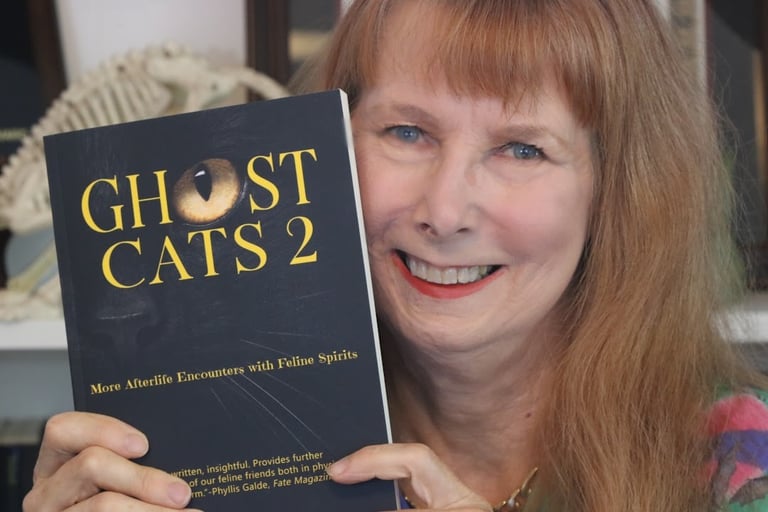
Ghost Cat 2: More Afterlife Encounters with Feline Spirits
Award-winning journalist Dusty Rainbolt shares eyewitness accounts of feline spirits—stories that comfort, mystify, and prove cats really do have nine lives.
For some cats, nine lives isn't enough.
Awards
CWA Muse Medallion Best Book Other Topics
Awards: GoodNewsForPets.com Human-Animal Bond Award • World’s Best Litter-ary Award
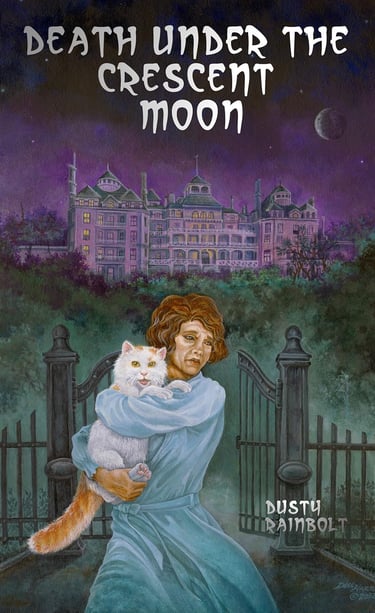
Death Under the Crescent Moon
At the Baker Hospital some patients never checked out.
In 1939, faded silent-film star Eva checks into the Baker Cancer Hospital hoping for a miracle—and discovers not all patients check out. She must choose: expose the hospital’s founder as a fraud…or let him try to save her life.
All the Marbles
When telecom engineer Chandra Solomon is assigned to the galaxy’s outskirts, her crew boss is murdered. He appears with a ghostly warning—and a glass orb that cannot fall into the wrong hands. With a deadline where “dead” is the operative word, Chandra dodges thugs, corrupt executives and a cult that worships Lucille Ball. Armed only with her wit and an opinionated cat who doesn't like her, Chandra must deliver the orb to the galactic core or kiss the universe goodbye.
Awards: Paranormal Romance Guild Reviewers Choice Nominee (2017) • CWA Certificate of Excellence
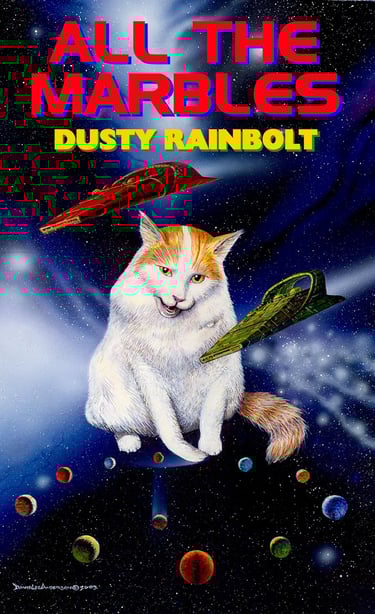
Chandra was having a bad day anyway, but then that cat…
Awards: CWA Certificate of Excellence
The Four Redheads of the Apocalypse Series
When the Four Horsemen die in a freak accident, their clueless widows inherit the coming apocalypse. Chaos follows, and there’s hell to pay.
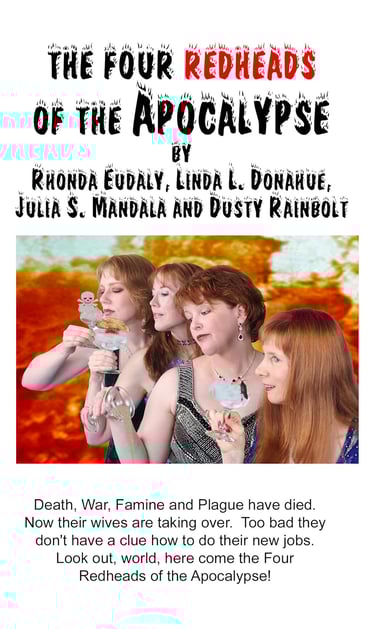
With the Office of the Apocalypse is under new management, the inmates are running Hell—and the Redheads are measuring for new curtains.
The Four Redheads of the Apocalypse
Dusty Rainbolt teams up with fellow redheads Rhonda Eudaly, Julia Mandala, and Linda Donahue for this laugh-out-loud comic fantasy series about the widows of the Four Horsemen. When Death, War, Famine, and Plague die in a freak accident, their glamorous, clueless wives inherit the family business—and running the Apocalypse never seems to go according to plan.
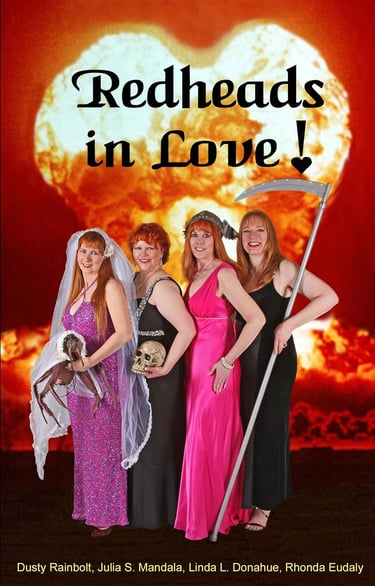
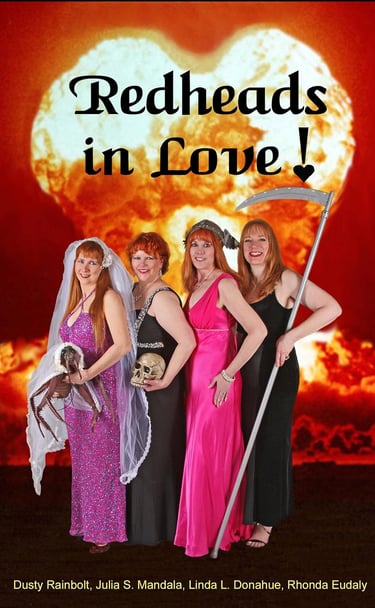
Redheads in Love
The Redheads found a loophole: if they remarry, the new husbands inherit their jobs. The catch? Both God and Satan have to approve—like that’s going to stop them.
Nine lives, nineteen stories, endless mystery.
The Four Redheads: Apocalypse NOW!
The end of the world—brought to you by four redheads who’d rather be shopping.
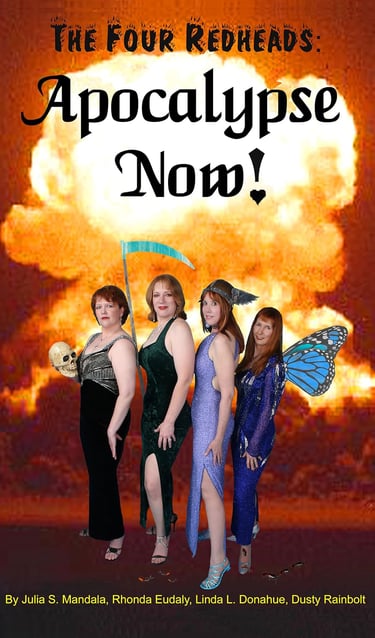
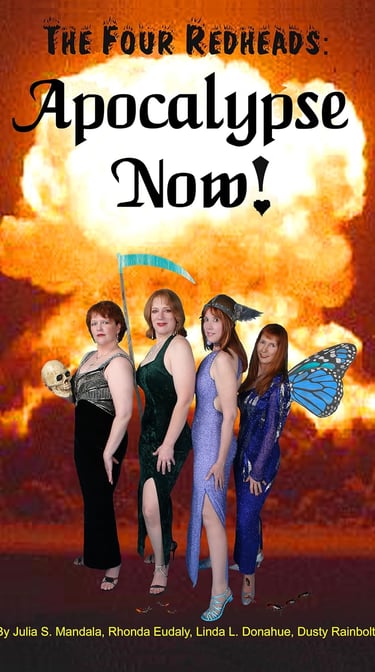
The Redheads settle in to do their jobs, but managing day-to-day Hell cuts into their shoe shopping time. Their answer? Speed up the Apocalypse and shop forever.
If Hell had a Tinder app, it wouldn’t work either.
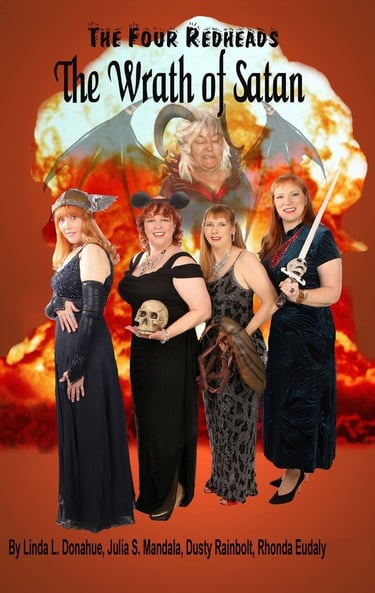
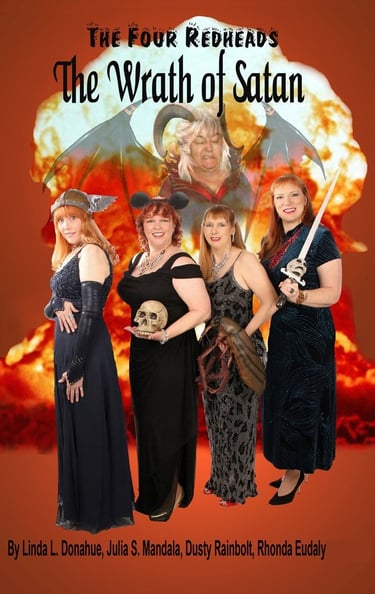
The Wrath of Satan
It’s the Redheads’ vacation from Hell…and Satan plans to make it permanent.
Sun, sand, and…assassins? Satan’s vacation package for the Redheads may be a one-way trip—especially when the cruise from Hell sinks faster than a lead lifeboat.
The Mystical Cat: An Anthology of All Things Feline
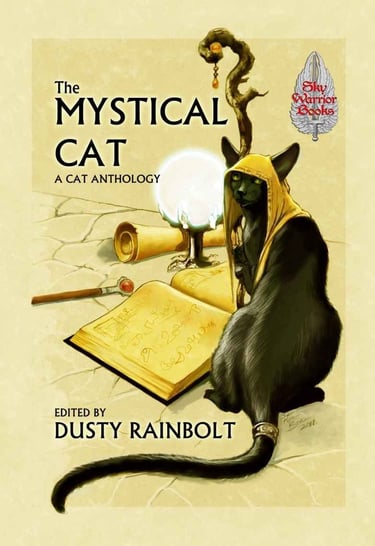
Cats have always lived in two worlds—ours and one filled with mystery. Dusty's anthology, features 19 magical tales of felines as guides, gods, and tricksters by a roster of acclaimed authors.
Awards: CWA Muse Medallion — Short Story
Dusty's Backstory
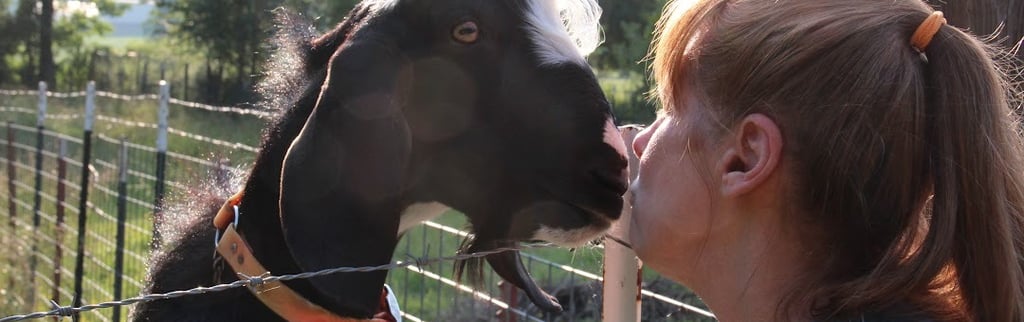
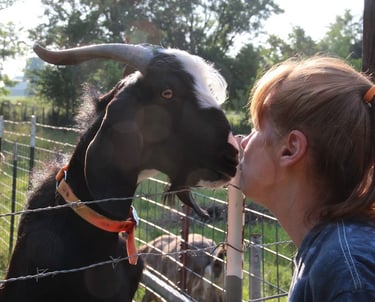
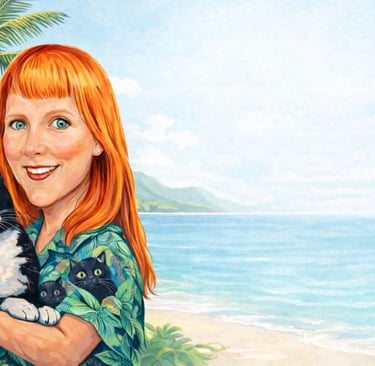
Dusty Rainbolt writes at the intersection of science, empathy, and lived experience, helping people understand what their cats are communicating—and how small misunderstandings can escalate when stress or frustration enters the picture. Her approach emphasizes clarity over judgment and progress over perfection, especially in emotionally charged or non-ideal situations.
Known for blending science with wit, Dusty translates complex feline behavior and health concepts into guidance that’s practical, humane, and accessible without oversimplifying or lecturing. She writes with the understanding that people usually love their cats deeply, even when they’re exhausted, overwhelmed, or out of options.
In addition to her nonfiction work, Dusty writes science fiction, fantasy, and paranormal stories—including the Ghost Cats series—that explore the bond between humans and animals through humor, mystery, and the occasional chill.
Dusty's Blog: Cats, the Universe & Everything
The answer to life, the universe, and everything… probably involves cats.
Dusty’s blend of veterinary knowledge and imaginative storytelling is unmatched! Her books are a must-read for cat lovers seeking insight and adventure.
Sarah M.


★★★★★

